


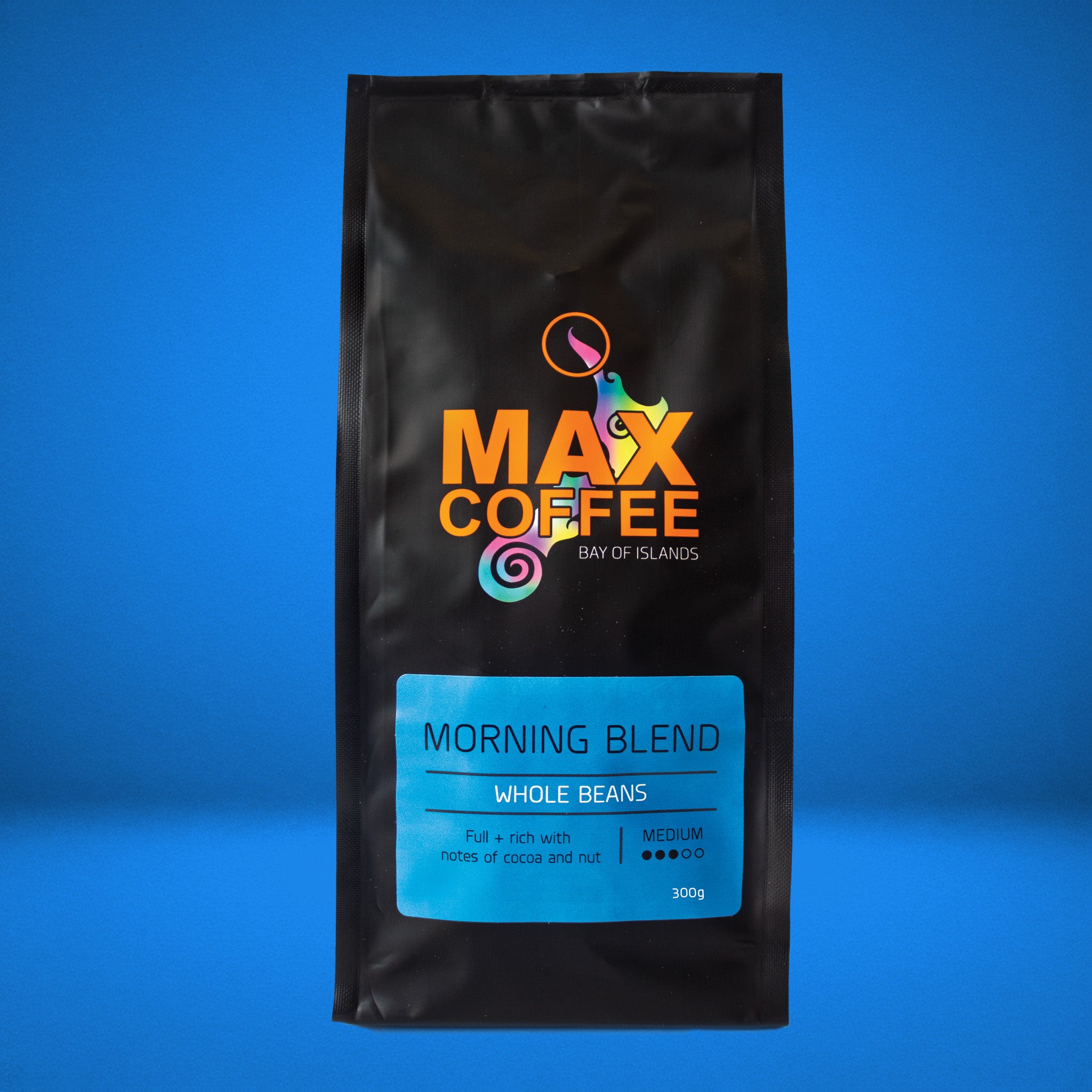


MORNING BLEND
Our Signature House Blend
TASTES LIKE
Chocolate, toasted nuts, full-bodied goodness
BREW IT
Espresso hero, all-round legend
WHO IT'S FOR
For people who want a proper café-style espresso at home.
ROAST
Medium

Free shipping on orders over $100

Our Signature House Blend
The Geeky Stuff
Origins
We’ve all got an accent, yeah? Coffee’s no different.
Different origins mean different climates, soils, and growing conditions, and all of that quietly shapes flavour long before roasting ever begins. It’s why coffee from Brazil tastes different to coffee from Ethiopia, even if you brew them the same way.
Single origins show off one place and its personality. Blends bring multiple origins together to create balance, consistency, and a very intentional result.
Think of origin as the coffee’s home turf. You can take the bean out of the ground, but you can’t take the ground out of the bean.
This one is from:
Processes
Processing is what happens to the coffee cherry after it’s picked — basically how the fruit gets taken off the bean before drying. Same bean, very different outcomes depending on how it’s treated.
Washed coffees have the fruit fully removed early on. They tend to be clean, bright, and tidy — flavours show up clearly and don’t muck about.
Natural coffees dry with the fruit still on. That extra time usually brings more sweetness, a fuller body, and bolder, fruit-forward flavours.
Honey processing is a hybrid method where coffee cherries are pulped to remove the skin but leave the sticky fruit pulp (mucilage) on the bean — giving a balance of clarity and richness.
Think of processing as the bean’s finishing school. Same genetics, same farm — but how it’s handled along the way makes a big difference to how it turns out in the cup.
This one's process is:
Varietals
Varietal is simply the type of coffee plant — the genetics it starts with before growing, processing, or roasting come into play.
Different varietals grow differently and bring different personalities to the cup. Some are bright and lively, some are sturdy and comforting, others are a bit high-maintenance. Same region, same conditions — totally different behaviour.
You’ll see names like Bourbon, Typica, or Caturra pop up. They don’t lock in flavour, but they do set the tone — a bit like knowing whether you’re dealing with a racehorse, a stubborn mule, or a trusty old ute.
Built different, right from the paddock.
In this one you'll find:
Altitude
As a rule of thumb, beans raised at higher altitude tend to come out tastier.
Up high, the air’s cooler and the coffee cherries grow slow. Like no rush, watch the weather, take the long way home slow. That extra time lets the beans get denser and build more flavour, which usually shows up as brighter acidity, fruitier notes, and a cup that just hits different.
Most of the magic happens between about 1,200 and 1,850 metres above sea level. Lower-grown coffees are more easygoing — softer, earthier, happy to cruise. Still good company, just not buzzing with hill-country energy.
Same plant. Different upbringing. One’s had a few more character-building moments.
This one grew at:
Tasting Notes
Tasting notes are our way of setting the scene before you go all in. They bundle up flavour, body, acidity, and finish into a few words — the same way a bottle of red might promise dark fruit and spice before you’ve even pulled the cork. Coffee shifts depending on how you brew it, how you hold your tongue, and how fresh the beans were when they met the grinder. This is simply how the coffee shows up for us when it’s behaving at its best. Think of them like wine notes — suggestive, not bossy.
This one tastes like:
Roast
This is where we decide what kind of glow-up the bean gets.
Think of it like cooking — because, well, it is. Take things off early and you keep brightness and edge. Leave them on longer and flavours deepen, round out, and start leaning towards chocolate, caramel, and toastier territory.
Lighter roasts keep things lively — higher acidity, clearer flavours, more zip.
Medium roasts let sweetness and body settle in, smoothing the edges without losing detail.
Darker roasts push flavour further — richer, heavier, and more dominant in the cup.
There’s no right level, just different outcomes. Where you stop roasting decides whether a coffee tastes bright, smooth, or bold — and that choice shows up immediately when you drink it.
This one's roast profile is:
Brew Guide
Shipping
When will my order be sent?
We dispatch your order the same day where possible.
Expect your delivery within 2-4 business days from dispatch, or up to 7 business days for rural addresses. But honestly? Those beans are usually pretty speedy and often turn up the next day. No promises, just what our customers tell us.
Order tracking
Each item is tracked and sent via NZ Couriers or NZ Post. You can track your order using the tracking number and the link on your dispatch confirmation email.
For any delays or enquiries, email us at info@maxcoffee.co.nz
Where do you ship to?
We ship all over New Zealand and Australia.
For other international orders please contact us for a quote and we can arrange custom shipping for you.
International orders
If you order products for delivery outside of New Zealand, your order may be subject to import duties and taxes. Please note that you will be responsible for payment of any such import duties and taxes. International shipments are also subject to inspection by customs authorities if needed.
About us
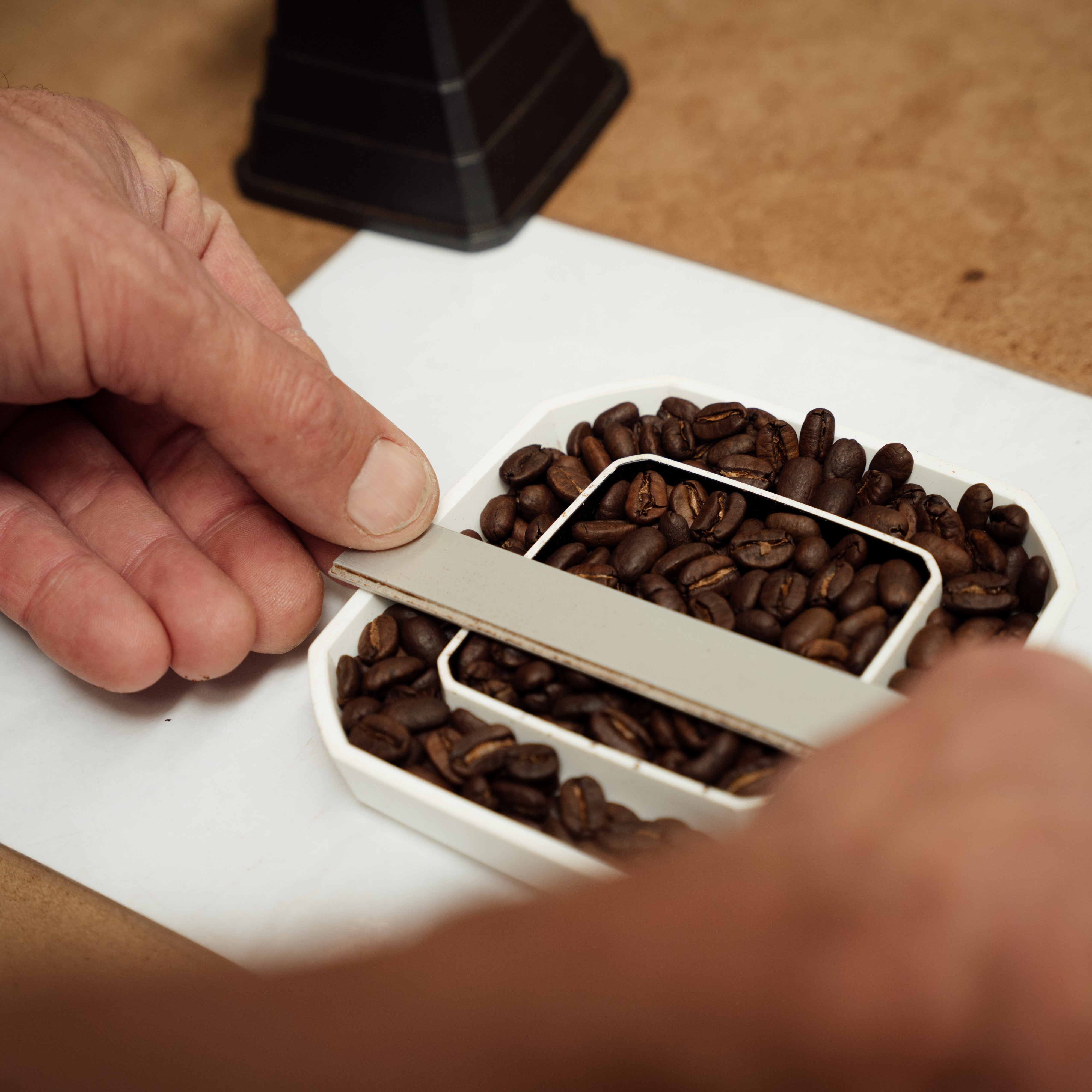
Every Batch Matters
Each roast runs the full Max gauntlet — taste tested like it’s gunning for MasterChef NZ and judged harder than your cousin’s new boyfriend at Sunday lunch.
Only the tasty make the cut.
100% Arabica, specialty-grade goodness — roasted right.
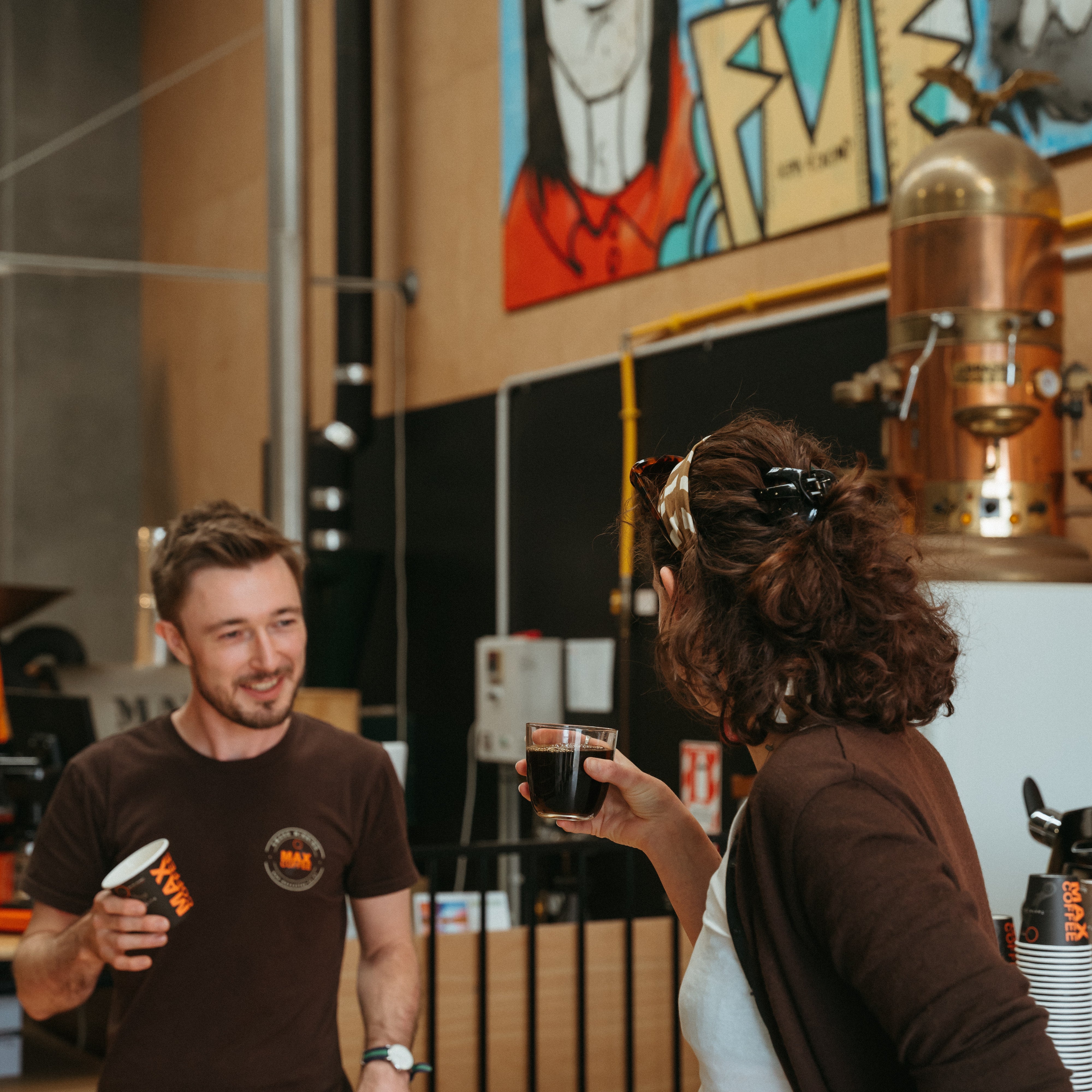
Coffee’s About Connection
Max is basically a group project — but one where everyone actually does the work.
We’re talking farmers, roasters, café crews, and the bleary-eyed legends brewing at home in their pyjamas. We stay in touch, check in, show up, and occasionally over-commit to latte art throwdowns.
We believe in trust, decent yarns, and supporting our mates — because great coffee doesn’t happen in a vacuum (unless you’re storing beans, then yeah, vacuum-seal away).

Made To Fuel Better Days
We’re not saying coffee solves everything… but it definitely helps.
We roast for mornings that start sideways, meetings that should’ve been emails, and to keep the vibe alive when the vibe wants to clock out.
Every batch gets roasted with care, big energy, and a quiet belief that coffee makes the world a little bit better. One cup at a time.